TL;DR
Clinics already know where patients fall out of care. Most AI tools report the problem or predict it, and staff still do every follow-up step by hand.
Give each follow-up step to an AI agent with one narrow job, such as contacting the patient or recording what is in the way, and send every judgment call to a person.
See how the platform worksHealthcare has plenty of software. Clinics run on EHRs, patient portals, referral dashboards, and spreadsheets, and patients still miss care that was ordered for them, e.g., a referral that waits for a missing signature, or a follow-up visit that nobody schedules after a hospital stay.
Most care teams already know where these gaps are, so another dashboard that reports them doesn’t help. The teams need help with the follow-up work on each case. An AI assistant gives an answer and waits for someone to act on it, while an agentic AI workforce carries out the follow-up steps and hands anything that needs judgment to staff.
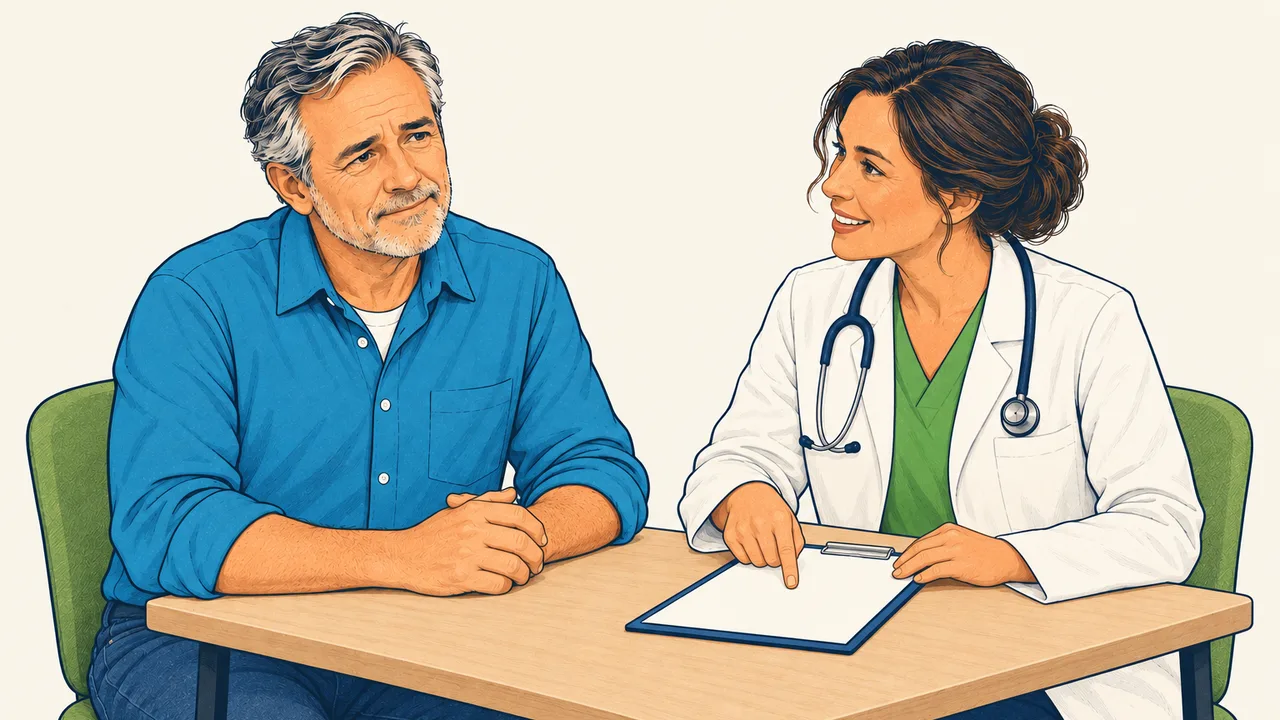
A no-show prediction needs a next step
Take appointments as an example. A basic AI tool can draft a reminder, and a better one can score how likely a patient is to miss the visit. Staff can’t act on the score alone. They still need to know whether the visit is a routine checkup or a follow-up after a hospital stay, whether the patient already confirmed, and whether the patient needs a ride or an interpreter. The answers decide whether the next step is a text, a phone call, a ride booking, or a handoff to a staff member.
Referrals, prior authorization, medication adherence, and readmissions look like separate problems, and they fail in the same ways. The data is spread across separate systems, and staff learn about the problem too late. A handoff between teams gets missed, and nobody confirms that the patient got the care.
What an agentic AI workforce does
An agentic AI workforce is a group of AI agents that staff oversee, and each agent has one narrow job. We don’t build a single autonomous agent that makes decisions nobody can inspect, because that would be unsafe in healthcare.
How the agents handle each case
- Find risk
Flag patients at risk, and show why.
- Pick a step
A text, a call, a ride, or a person.
- Contact
Reach the patient by text or phone.
- Record
Log the barrier, e.g., no ride.
- Learn
Track which steps worked.
Check any step, take it over, and make every judgment call.
Because each job is small, staff can check any job, take it over, or improve it without changing the others.
Staff make the judgment calls
We build the agents to give clinicians and staff time back. The agents send routine reminders, flag likely barriers, draft outreach, and gather the patient’s details before a call. When a case involves clinical nuance, a distressed patient, complex social needs, or any other judgment call, the agents send the case to a person.
Why we started with no-shows
We started with no-show prevention because clinics see the cost every day and can measure the result within weeks. Referrals, prior authorization, medication adherence, and readmissions fail in the same ways, so we use the same approach for each of them.
Ask your team which follow-up step they repeat by hand most often, and whether anyone checks afterward that the patient got the care.
 No-showsWhy patient no-shows are a coordination failure
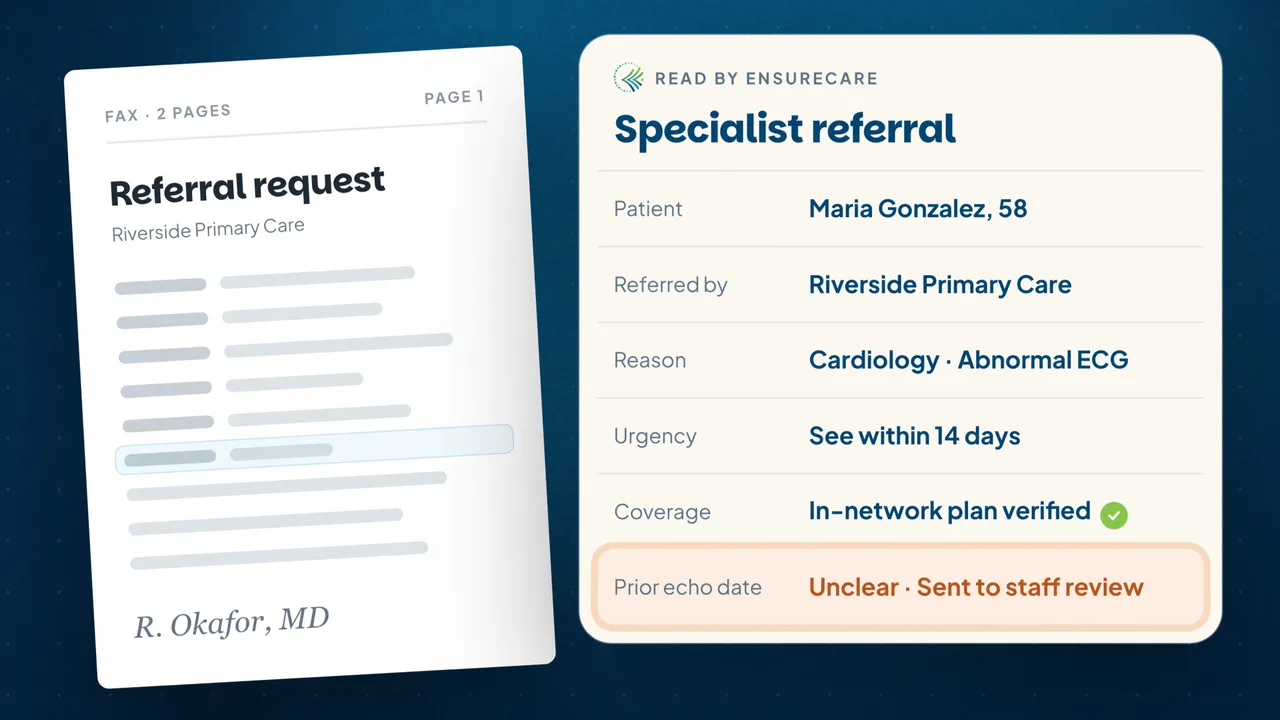 ReferralsHalf of referrals never close the loop. Then comes the friction.
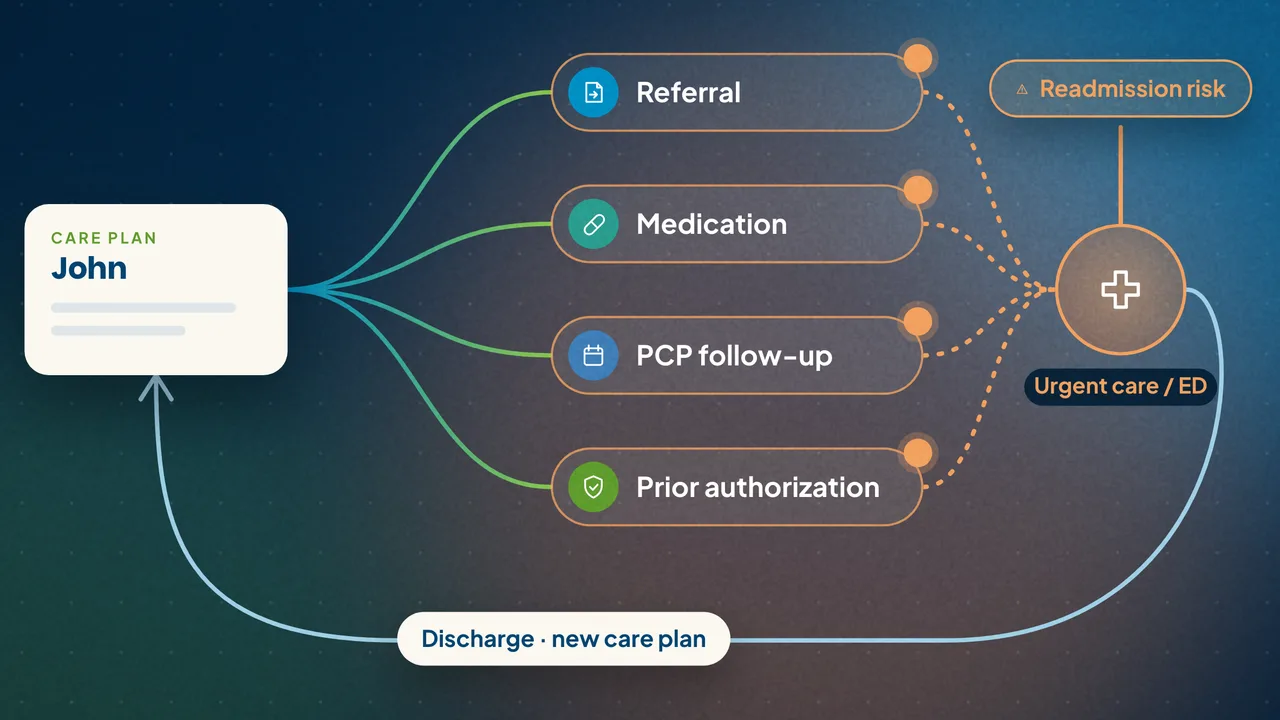 ReadmissionsDischarge is a handoff, not a finish line
 EnsureCare